The co-driver's notebook
8 entries · glue.blue
Notes from building Roadbook '71 and from driving with it: where the notation came from, how to record a track that navigates well, how loops and CarPlay work, and the odd road worth going a long way out of your way for.
-
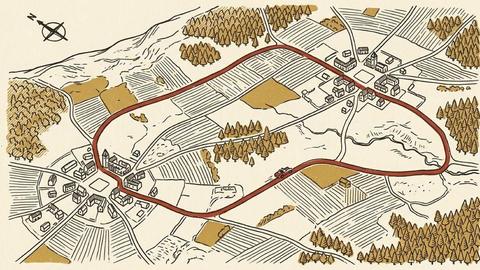
A touring loop in the Flemish Ardennes
Oudenaarde, Ronse and the hills in between. Which cobbles are a pleasure, which are a photograph, and why this small corner of Belgium is worth a whole Sunday.
-
Exporting the drive you actually made
The loop you planned and the loop you drove are two different files. Getting the second one out, and why it makes next year's roadbook better.
-
Day pages and night pages
Ten at night, an hour still to go, and the only light in the cabin is the one over the book. Why a navigation screen at night should look like that.
-
CarPlay in an older car
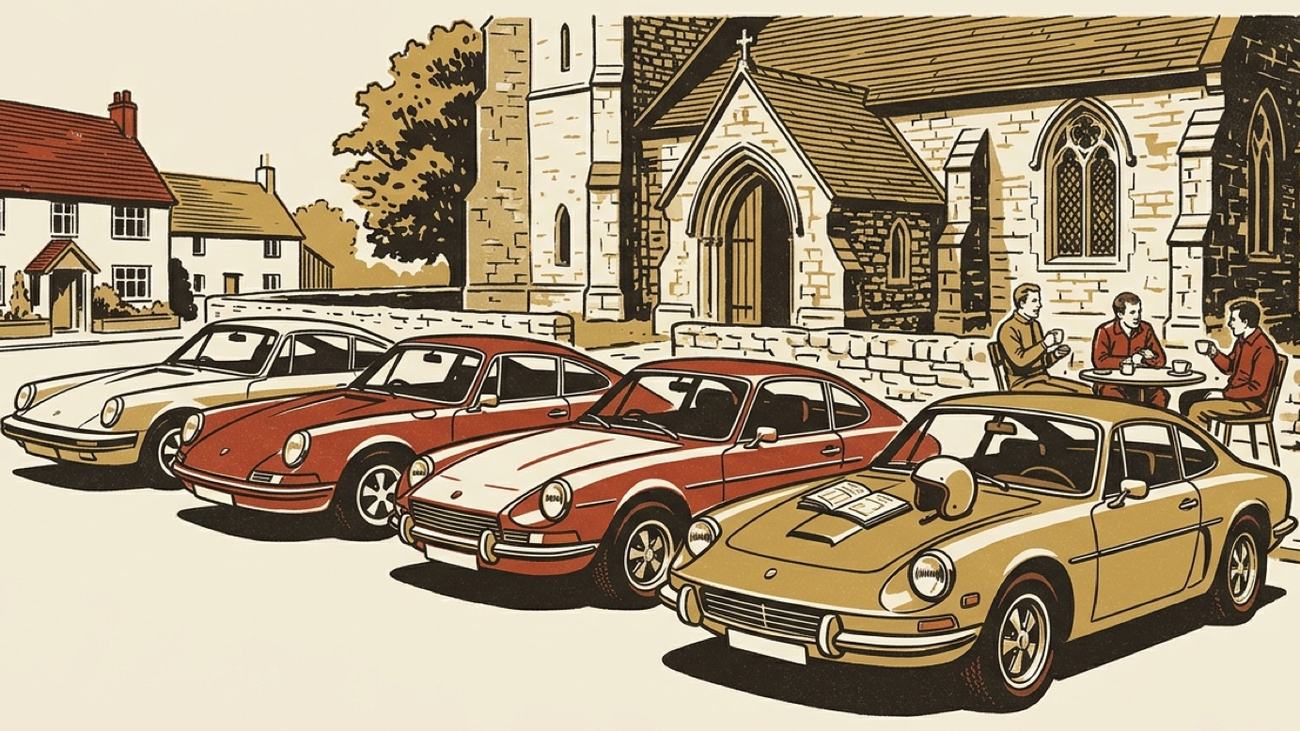
The roads worth driving twice are best driven in something old, and something old has no screen. What it takes to fix that, and what the car shows you once you have.
-
Driving a loop, and finishing one days later
A ring has no start until you turn up. How the loop rotates to meet you, what happens when you stop for lunch, and why three days later is fine.
-
Why your recording is the route
Hand a maps app a start and an end and it will find you a road, though not the one you drove. What corridor matching is, and what happens where no road will follow your line.
-
How to record a GPX that makes a good roadbook
The file you come home with decides how good the roadbook is. What to record with, where to put the phone, and what a dropout looks like when you open the file that evening.
-
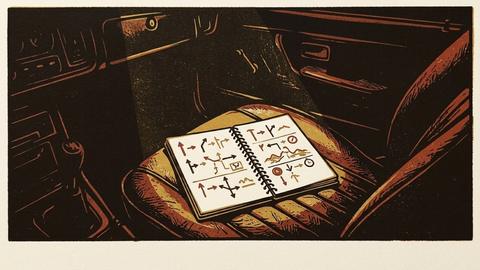
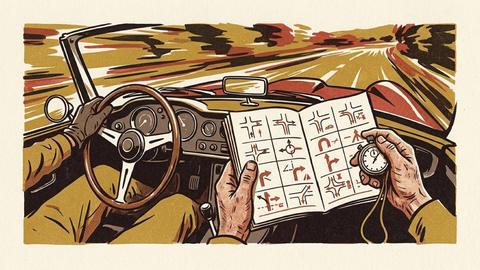
What a tulip diagram is
A ball, a line and an arrow. The notation a co-driver calls a junction from at 70 km/h, where it came from, and how the app draws one from your own recording.